

Learning how to learn mandala art is not just about mastering patterns or drawing perfect circles. It is about understanding rhythm, symmetry, patience, and creative flow. Mandala art has its roots in ancient traditions, yet it continues to attract modern learners because of its calming nature and structured beauty.
For anyone curious about mandala art for beginners, or wondering how to make mandala art step by step, this guide offers a clear, grounded path. It reflects not only years of artistic practice but also insights gathered from teaching mandala art to learners of different age groups and skill levels.
Understanding Mandala Art Before You Begin Learning
Before diving into how to learn mandala art, it helps to understand what makes this art form unique. Mandala art begins from a center point and expands outward in balanced, repetitive patterns. This structure makes mandala art for beginners approachable because there is always a starting point and a sense of direction.
Artists and educators who work closely with Indian folk and meditative art forms often emphasize that mandala art is as much about the process as the final artwork. This philosophy is reflected in many traditional art studios, including those that focus on combining folk traditions with mindful practices.
How to Learn Mandala Art the Right Way as a Beginner
Learning how to learn mandala art becomes easier when approached in stages rather than all at once.

Start with Observation and Exposure
Before drawing, spend time observing mandala patterns. Look at traditional mandalas, contemporary interpretations, and hand-drawn works. Many learners are first introduced to mandala art through structured art classes, exhibitions, or guided workshops that focus on observation before execution.
Mandala art for beginners improves significantly when the learner understands how patterns repeat and evolve naturally.
Learn the Basic Mandala Structure
A strong foundation is essential when learning how to make mandala art. This begins with:
- Creating a central point
- Drawing concentric circles
- Dividing the space evenly using guidelines
Experienced mandala instructors often stress the importance of structure before decoration. This is a teaching approach commonly followed in well-designed mandala art classes, where learners are guided to build confidence through precision rather than speed.
Mandala Art for Beginners: Tools, Materials, and Setup
One of the most common misconceptions about mandala art for beginners is that it requires advanced or expensive materials. In reality, learning how to draw mandala art for beginners requires only basic tools:
- Pencil and eraser
- Compass and ruler
- Fine liners
- Plain paper
What matters more than tools is the environment. Many art educators recommend creating a calm, distraction-free space. This is why mandala art workshops often emphasize slow learning, minimal noise, and mindful engagement rather than rushed outcomes.
How to Draw Mandala Art for Beginners Step by Step
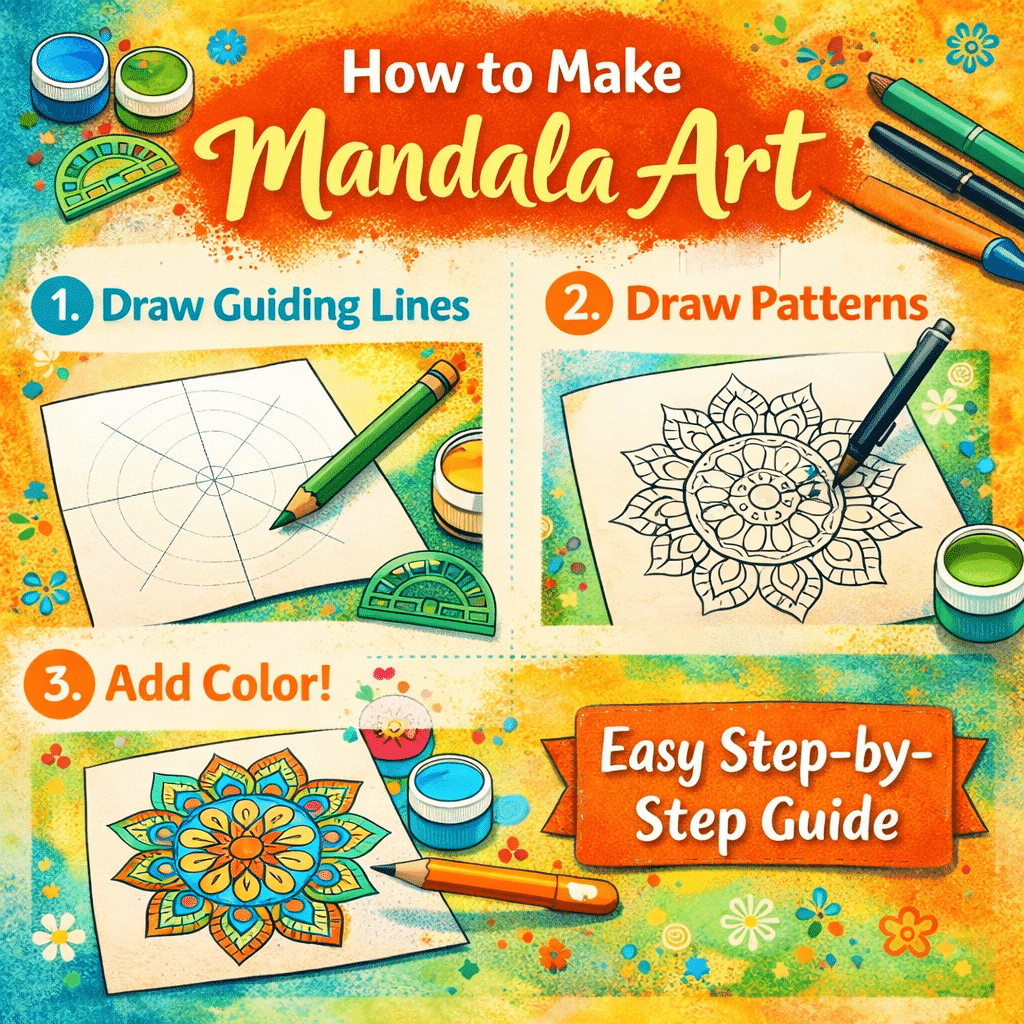
When beginners ask how to draw mandala art for beginners, the answer lies in repetition and patience.
Begin from the Center
Every mandala starts at the center. This central point acts as an anchor. Drawing outward helps maintain balance and symmetry.
Repeat Simple Patterns
Mandala art for beginners should focus on repeating basic shapes:
- Dots
- Petals
- Lines
- Curves
This repetition trains the hand and eye. Many learners experience noticeable improvement within weeks when they focus on repeating patterns rather than experimenting too early.
Maintain Symmetry Without Stress
Symmetry does not mean perfection. Skilled mandala artists often remind students that small variations give character to hand-drawn mandalas. This teaching philosophy is widely followed in studios that value traditional art processes over mechanical precision.
How to Make Mandala Art a Daily Creative Practice
Understanding how to learn mandala art also means building a habit. Short, regular practice sessions are more effective than occasional long ones.
Mandala art for beginners benefits from:
- Daily sketching
- Pattern practice sheets
- Revisiting older designs to notice improvement
Art educators who teach mandala art consistently emphasize process-based learning. This approach allows learners to grow naturally without comparison or pressure.
For those rediscovering creativity later in life, structured art classes for adults can provide direction and inspiration.
Learning Mandala Art Through Guided Classes and Mentorship
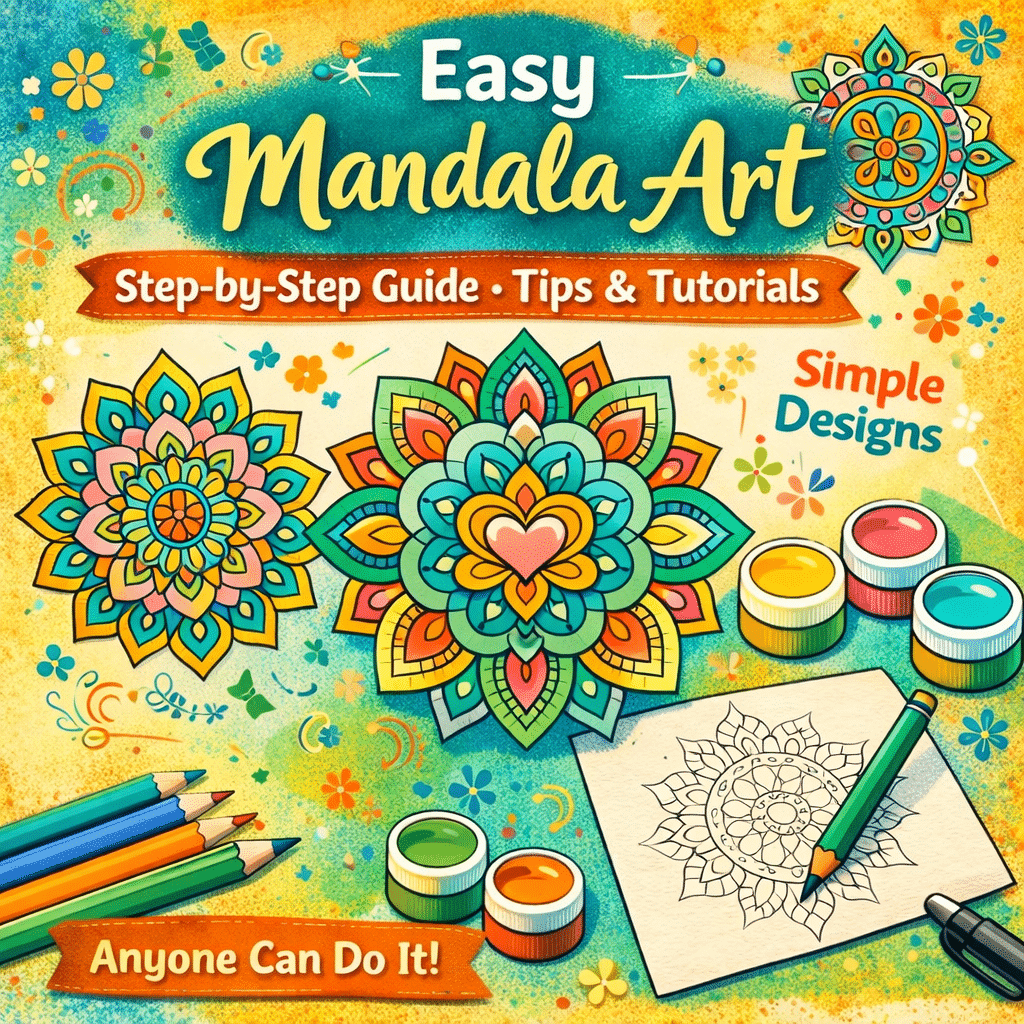
While self-learning is possible, many beginners reach a point where guidance helps refine technique. Structured mandala art classes provide:
- Step-by-step learning
- Pattern logic
- Design balance
- Color harmony
Art studios that work deeply with Indian folk art, such as Rajni Dutta Art & Design, often integrate mandala art with traditional design sensibilities. This allows learners to understand not just how to make mandala art, but why certain patterns and compositions work better than others.
Such guidance becomes especially valuable for learners who wish to move beyond hobby-level practice.
Using Color in Mandala Art for Beginners
Color plays a powerful role in mandala art. However, experienced teachers often suggest mastering black-and-white mandalas first.
When beginners are ready, learning how to make mandala art with color involves:
- Limited palettes
- Balanced distribution
- Awareness of visual flow
This is often taught gradually in mandala art courses, where learners explore color psychology without overwhelming the design.
Color selection, pattern balance, and visual rhythm are areas where many beginners seek clarity. Experienced mandala educators often recommend learning these aspects gradually, through observation and guided practice rather than trial and error alone.
Studios that work deeply with Indian folk art and meditative design, like Rajni Dutta Art & Design, tend to approach mandala teaching with patience, allowing learners to understand not just how a design looks, but why it works visually and emotionally.
Common Challenges While Learning Mandala Art
Every beginner faces challenges while learning how to learn mandala art. These include:
- Fear of making mistakes
- Overcrowding patterns
- Losing symmetry
Mandala art for beginners improves when learners are reassured that mistakes are part of the process. This supportive learning environment is a key feature of well-designed art classes and workshops.
How Mandala Art Supports Mental Well-Being
One reason many people begin learning how to draw mandala art for beginners is its calming effect. The repetitive nature of mandala art encourages focus, reduces anxiety, and promotes mindfulness.
Art practitioners who work with meditative art forms often view mandala art as both creative expression and self-care. This dual role is reflected in teaching methods that prioritize slow learning and emotional connection.
Growing Beyond Basics in Mandala Art
As confidence builds, learners naturally explore:
- Larger mandalas
- Complex pattern layering
- Personal themes
At this stage, guidance from experienced artists becomes valuable. Art spaces that combine technical teaching with creative freedom help learners transition from structured exercises to expressive mandala compositions.
For those who feel drawn to mandala art beyond casual sketching, exploring structured learning can open new creative doors. Whether through workshops, short-term courses, or guided sessions, learning in an environment rooted in tradition often adds depth to the experience.
Rajni Dutta Art & Design is one such space where mandala art is approached as both a creative discipline and a mindful practice, making it accessible to learners at different stages of their artistic journey.
Final Thoughts on How to Learn Mandala Art
Learning how to learn mandala art is not about rushing toward mastery. It is about developing patience, awareness, and creative confidence. Mandala art for beginners offers a gentle entry into artistic practice, making it accessible to all ages.
Whether you are learning independently or exploring guided learning through experienced art practitioners like those at Rajni Dutta Art & Design, the journey remains personal and deeply fulfilling. Over time, learning how to make mandala art becomes less about technique and more about connection, with patterns, with culture, and with yourself.
Rajni Dutta Art & Design often document our in-studio process and finished artworks on Instagram.


