For someone exploring traditional art for the first time, easy beginner warli art offers a perfect starting point.Warli painting is one of India’s most beautiful and accessible folk art forms. Recognised for its simple white figures drawn on earthy backgrounds, warli painting captures everyday village life using geometric shapes and rhythmic patterns.
Today, warli art is not only practiced in tribal communities but is also appreciated by art collectors, interior designers, and creative learners across the world. Some people explore easy beginner warli art as a hobby, while others eventually commission warli paintings for their homes or learn the craft through guided art classes.
This guide explains how beginners can understand the meaning of warli painting, learn the basic warli art steps, explore different types of warli painting, and discover how even children can enjoy warli art for kids activities.
Why Warli Art Is Perfect for Beginners?
One of the reasons easy beginner warli art has become popular among modern learners is its simplicity. Unlike many classical art styles that require years of practice, warli painting allows beginners to start creating meaningful compositions almost immediately.
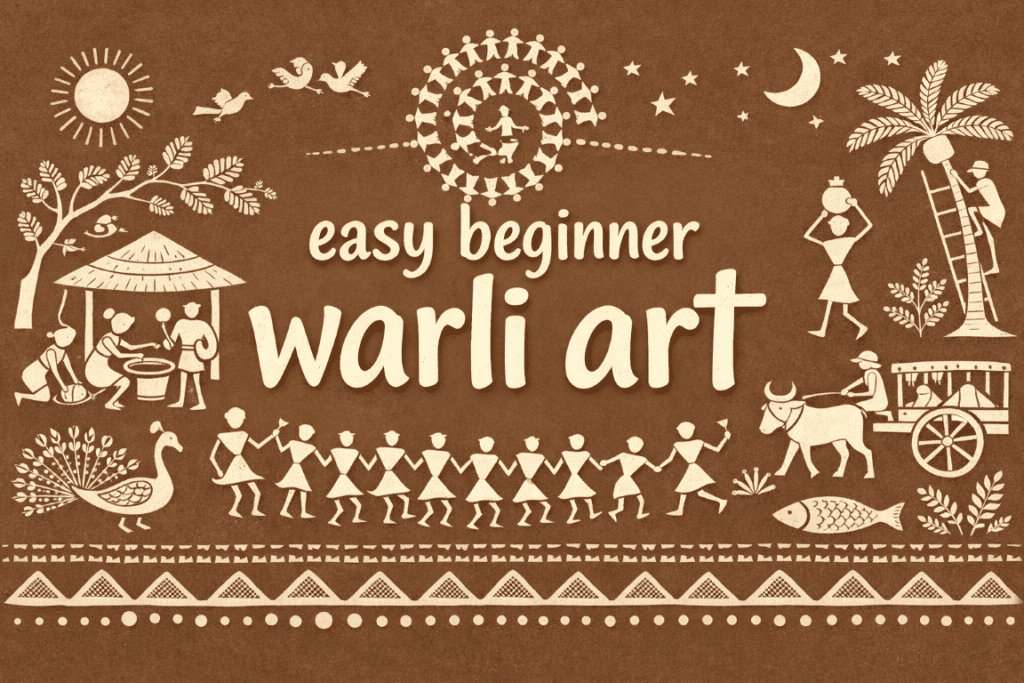
At its core, warli painting uses only three shapes:
• circle
• triangle
• square
These shapes combine to create human figures, animals, trees, and entire scenes of village life.
This simplicity makes warli art especially appealing for new learners and students. In fact, many art teachers introduce warli art for kids because the shapes are easy to understand and help children develop observation and storytelling skills.
If you are completely new to this art form, it helps to first understand the cultural background and symbolism behind it. For a deeper understanding of the tradition, you can explore our detailed guide on-
Warli Art blog | learn about the origin and meaning of warli art
Warli Art for Kids: A Creative Way to Learn Traditional Art
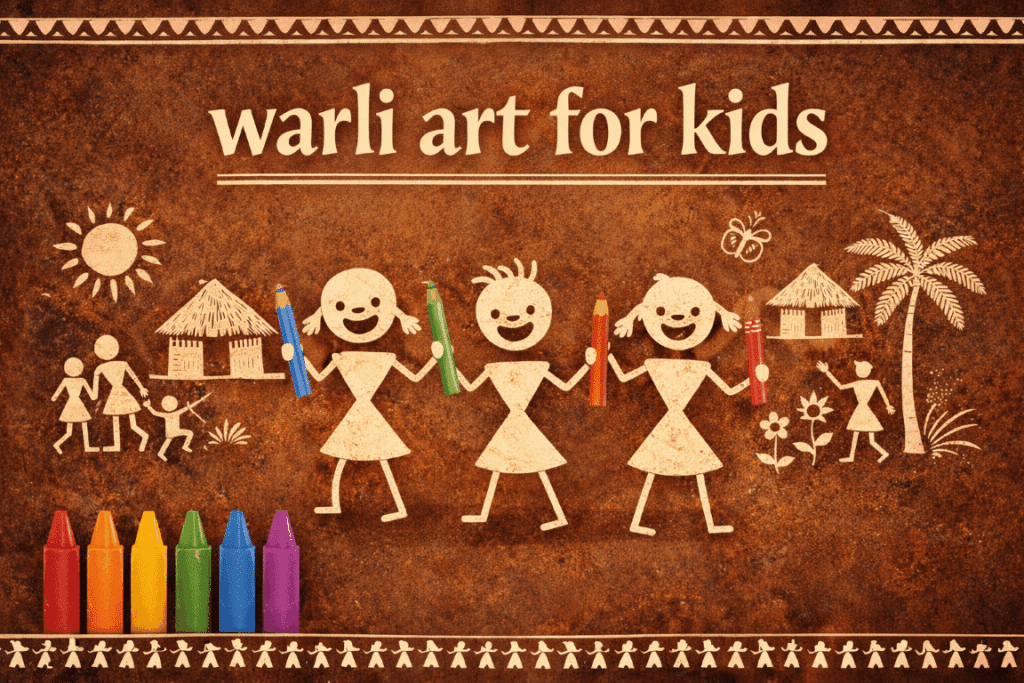
Warli art for kids is a wonderful way to introduce children to traditional Indian folk art while encouraging creativity and storytelling.
Because the style uses simple geometric shapes, children can easily learn how to draw Warli figures and scenes. Many schools and art workshops include Warli painting in their creative programs because it helps develop observation skills and hand coordination.
Some simple Warli art activities for kids include:
• drawing dancing Warli figures
• creating small village scenes
• painting animals and trees using simple shapes
• decorating greeting cards with Warli motifs
These beginner exercises help children understand the visual language of the art form while having fun experimenting with shapes and patterns.
For students who develop a deeper interest, structured learning programs and workshops can guide them step by step through easy beginner warli art techniques and storytelling compositions.
Meaning of Warli Art
Warli painting is deeply connected to the traditions of the Warli tribe from Maharashtra. Rather than focusing on mythology or royal themes, warli art celebrates everyday life in tribal communities.
The scenes often include farming activities, forest landscapes, animals, festivals, and dancing figures. Through these visuals, artists communicate the rhythm of village life and the relationship between humans and nature.
For beginners exploring easy beginner warli art, understanding this meaning is important. It helps artists move beyond simple shapes and start thinking about storytelling within their compositions.
Many contemporary studios and artists, including Rajni Dutta Art & Design, often emphasize the cultural roots of warli painting when teaching students how to recreate traditional scenes authentically.
10 Lines About Warli Art
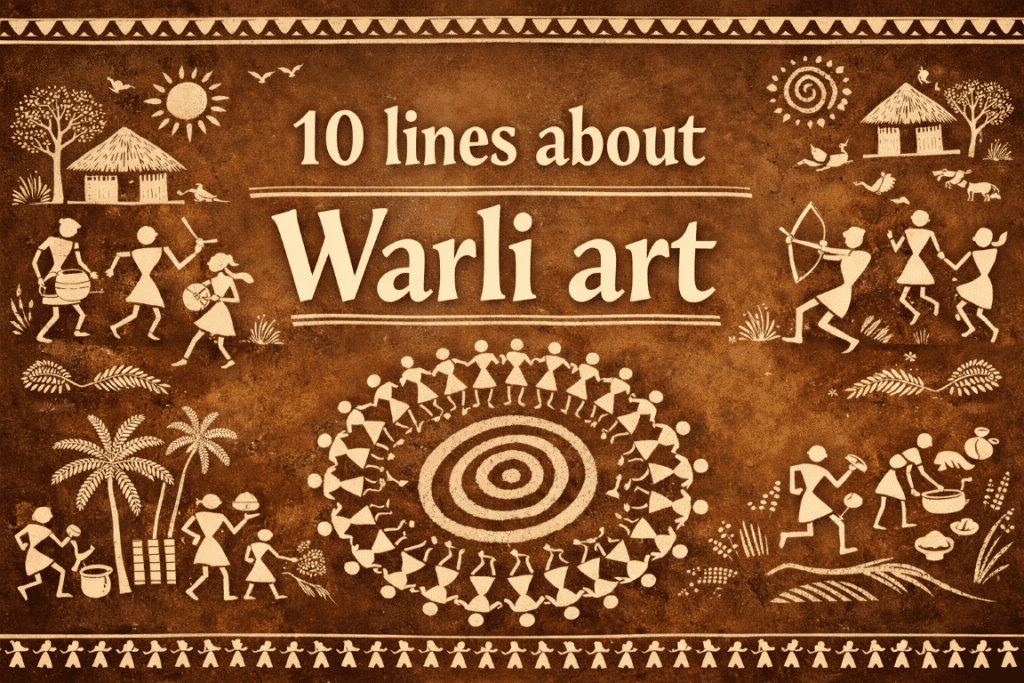
Many students and beginners often search for a quick summary to understand this traditional painting style. Here are 10 lines about Warli art that explain the basics clearly.
- Warli art is a traditional tribal painting style from Maharashtra, India.
- It originated from the Warli tribe living in the western region of the country.
- The paintings are usually created using white pigment on earthy brown or red backgrounds.
- Warli art uses simple geometric shapes such as circles, triangles, and lines.
- Human figures in Warli paintings are formed using two triangles joined at the waist.
- Most paintings depict scenes from village life such as farming, dancing, and celebrations.
- Warli art reflects the close relationship between humans and nature.
- Traditionally, the paintings were created on mud walls of tribal homes.
- Today Warli paintings are also created on canvas, paper, and murals.
- Many artists and studios now teach easy beginner warli art techniques to help preserve this cultural tradition.
A Brief History of Warli Art
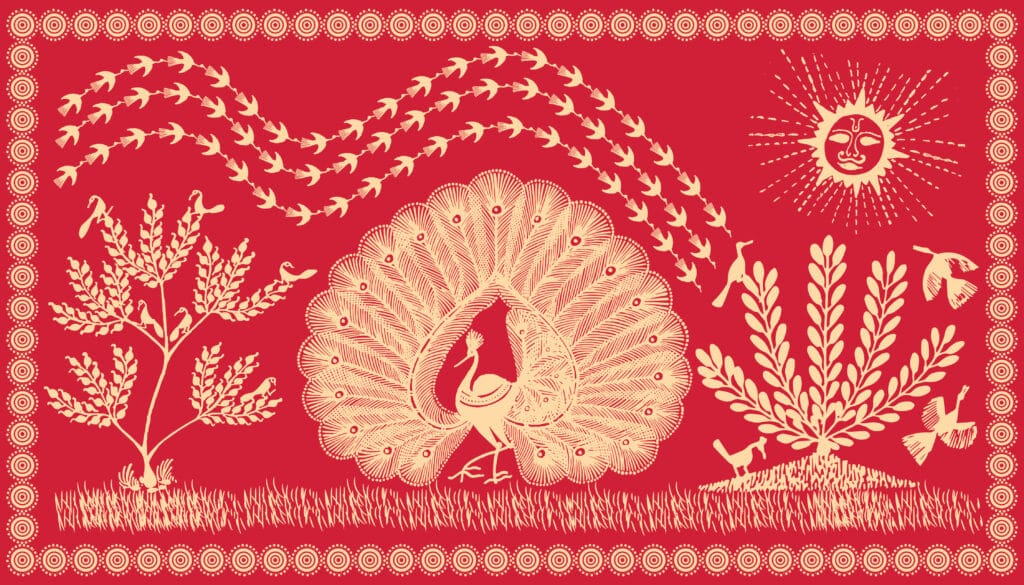
The history of warli painting dates back hundreds of years and originates from tribal communities living along the western coast of India.
Traditionally, warli paintings were created on the mud walls of village homes. Artists used a mixture of rice paste and water to create the distinctive white pigment used in the artwork.
These paintings were not originally meant for decoration alone. They were part of ceremonies and celebrations such as weddings and harvest festivals. The paintings reflected the lifestyle of the community and symbolized harmony between humans and nature.
Over time, warli painting moved beyond village walls and started appearing on paper, canvas, and murals. Today, many homeowners commission warli artwork as a way to bring authentic Indian folk art into modern interiors.
For example, artists at Rajni Dutta Art & Design regularly create custom warli compositions designed specifically for living spaces and cultural interiors.
Key Features of Warli Art Steps
Before diving into easy beginner warli art techniques, it is helpful to understand what makes warli painting visually unique.
Some of the defining features include:
• human figures made from two triangles joined together
• circular dance formations representing celebration
• animals and trees symbolizing connection with nature
• simple yet rhythmic compositions
• decorative borders framing the artwork
These characteristics appear in many types of warli painting and give the art form its instantly recognizable identity.
Materials You Will Need
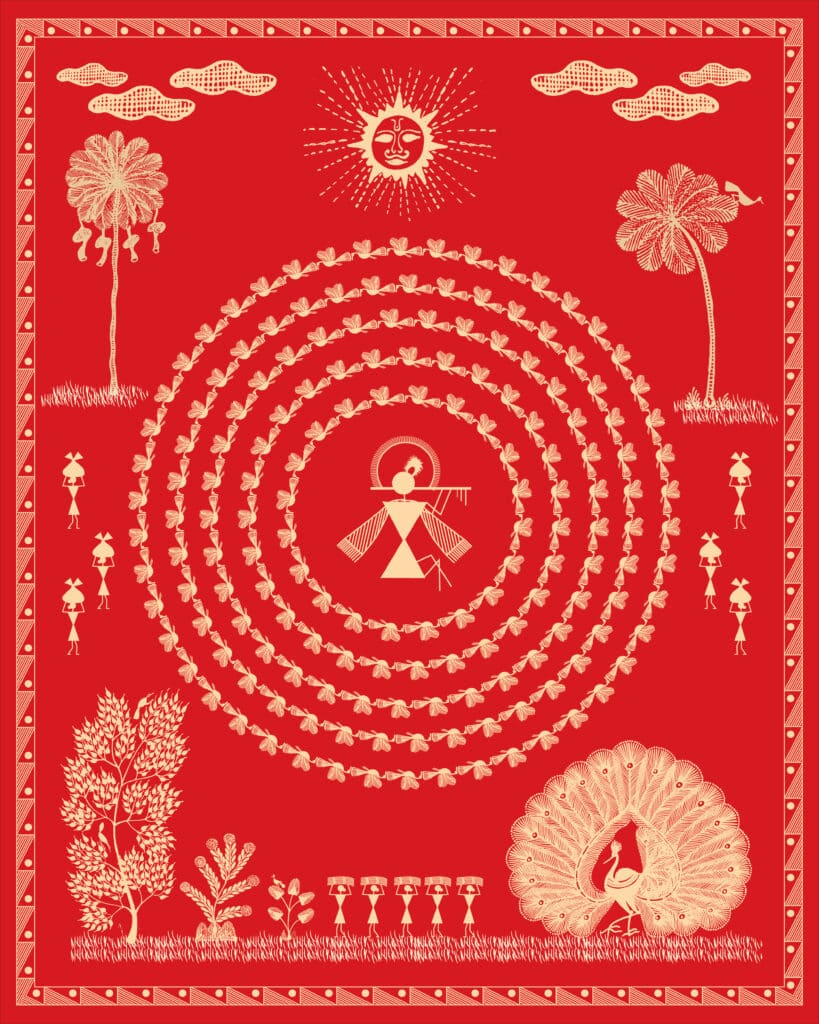
One reason easy beginner warli art is popular among learners is that it requires very few materials.
To start practicing warli painting, you will need:
• drawing paper or canvas
• white acrylic or poster paint
• fine brush or bamboo stick
• pencil for light sketching
• dark coloured background (brown, red, or black)
These simple tools are enough to begin experimenting with warli art for kids or beginner practice sessions.
Warli Art Steps
Learning easy beginner warli art becomes easier when the process is broken down into simple stages. The following method is commonly used in beginner workshops and art classes.
Step 1: Choose a Theme
Warli paintings usually tell a story. Before drawing, decide what type of scene you want to create.
Popular beginner themes include:
• village celebrations
• farmers working in fields
• forest animals
• dancing groups
• daily tribal life
These themes appear across many types of warli painting and help beginners practice storytelling through art.
Step 2: Prepare the Background
Traditional warli paintings were made on mud walls, which created an earthy brown background.
To recreate this look, beginners often paint a dark background on paper or canvas. The white warli figures stand out beautifully against this surface.
Step 3: Sketch Basic Shapes
The most important stage in easy beginner warli art is learning how to construct figures using geometric shapes.
Human figures are usually made with two triangles meeting at the waist. The circle forms the head, while lines represent arms and legs.
Practicing these shapes repeatedly helps beginners develop control and balance in their compositions.
This step is also why warli art for kids workshops often begin with simple shape drawing exercises.
Step 4: Draw Warli Figures and Motifs
Once you are comfortable with the shapes, you can start building scenes.
Typical elements include:
• dancers forming circular patterns
• huts and village homes
• animals such as cows and deer
• trees and plants
• farmers working in fields
These motifs form the foundation of most types of warli painting.
Step 5: Paint with White Colour
The defining feature of warli painting is its white pigment.
Traditionally this white paint was made using rice paste. Modern artists usually use acrylic paint while maintaining the same visual style.
When creating easy beginner warli art, use thin brush strokes so that the figures remain clean and elegant.
Step 6: Add Borders and Patterns
Borders help frame the painting and bring structure to the composition.
Common border patterns include:
• zigzag lines
• repeated triangles
• dotted patterns
• parallel line frames
These details give the artwork a traditional appearance.
Step 7: Final Touches
The final stage involves refining the composition and adding small decorative details.
You may add additional figures, trees, or small patterns to make the scene feel complete.
With practice, easy beginner warli art gradually evolves into complex storytelling compositions.
Warli Art Tips for Beginners
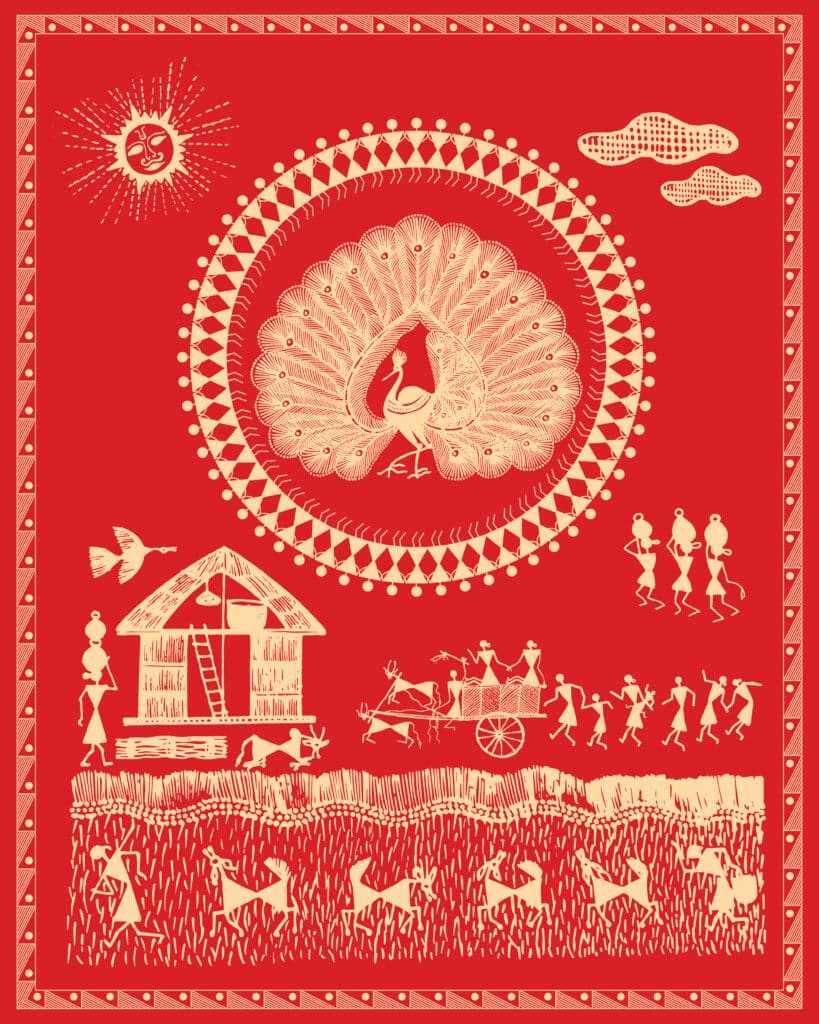
When practicing easy beginner warli art, a few simple guidelines can improve your results significantly.
• keep lines thin and consistent
• avoid overcrowding the painting
• maintain balanced spacing between figures
• observe traditional motifs for inspiration
Many beginners choose to learn through guided art sessions where instructors help refine technique and composition.
Studios such as Rajni Dutta Art & Design offer structured workshops where learners can explore warli painting step by step while understanding its cultural context.
If you want to learn systematically rather than experimenting randomly, you can explore
Warli Art Classes page | join guided warli art classes for beginners
Common Mistakes to Avoid in Warli Art
Beginners often make a few common mistakes while practicing easy beginner warli art.
These include:
• drawing uneven triangles for figures
• using very thick paint strokes
• overcrowding the composition
• skipping background preparation
Correcting these early helps preserve the elegant visual rhythm that defines warli painting.
How Long Does It Take to Learn Warli Art?
The time required to learn warli painting depends on how deeply you want to explore the style.
Many beginners can create simple compositions within a few days of practice. However, mastering storytelling scenes and detailed patterns requires consistent practice.
Learning through professional instruction can accelerate the process significantly. Many students prefer joining structured classes offered by experienced artists such as those at Rajni Dutta Art & Design.
Why Try Warli Art?
People are drawn to easy beginner warli art for many reasons.
Some enjoy it as a relaxing creative activity, while others develop a deeper interest in traditional Indian art forms.
Warli painting allows artists to:
• express storytelling through simple shapes
• explore traditional folk culture
• create meaningful home décor
• develop drawing and composition skills
Many collectors also commission warli paintings to decorate modern interiors with authentic tribal artwork.
If you are interested in owning a personalized piece for your home or office, you can explore
Warli Custom Artwork page | commission a custom warli painting for your space
Where Can You Use Warli Art?
Warli painting has evolved far beyond its tribal origins and is now used in many creative applications.
Common uses include:
• wall murals in homes and offices
• canvas paintings for interior decor
• handmade art panels
• cultural installations
• educational art workshops
Artists and studios such as Rajni Dutta Art & Design often create commissioned warli artworks that combine traditional motifs with contemporary design aesthetics.
Types of Warli Painting
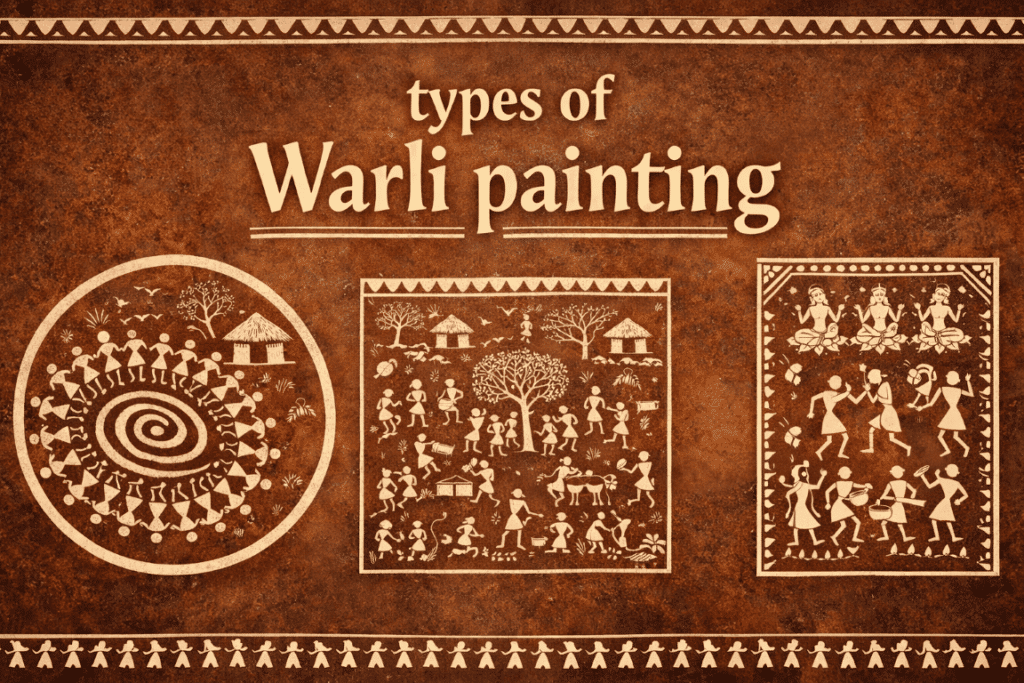
Over time, artists have created different types of Warli painting based on themes, storytelling elements, and design styles. While the visual language remains simple, the compositions can vary widely depending on the subject.
Some common types of Warli painting include:
Village Life Scenes
These paintings show everyday activities such as farming, cooking, gathering water, and working in the fields. They are among the most traditional forms of Warli art.
Tarpa Dance Paintings
These artworks depict groups of tribal dancers forming circular patterns around a musician playing the tarpa instrument. The scene represents celebration and unity within the Warli tribe.
Nature and Animal Scenes
Many Warli paintings focus on forests, trees, birds, and animals to highlight the deep connection between the tribe and nature.
Festival and Ritual Paintings
These artworks capture important ceremonies such as weddings and harvest festivals.
Modern Decorative Warli Art
Today many artists adapt traditional motifs into modern compositions used for interior décor, canvas paintings, and murals.
Understanding different types of Warli painting helps beginners explore more creative compositions as they practice easy beginner warli art techniques.
Conclusion
Easy beginner warli art offers a wonderful introduction to India’s rich folk art traditions. With just a few geometric shapes and simple tools, anyone can start creating meaningful scenes inspired by village life and nature.
Whether you are exploring warli art for kids activities, learning about different types of warli painting, or practicing traditional warli art steps, the journey is both creative and culturally enriching.
For those who want to deepen their skills, structured learning environments can make the process much easier. At the same time, collectors who appreciate authentic folk art often commission custom warli paintings to bring this timeless tradition into modern spaces.
With patience, practice, and the right guidance, easy beginner warli art can evolve from simple exercises into beautiful storytelling artworks.
FAQ’s
The easiest way to start is by practicing basic geometric shapes and simple human figures, which form the foundation of easy beginner warli art.
Yes. Warli art for kids is widely taught because the shapes are simple and encourage creativity and storytelling.
Common types of warli painting include village life scenes, festival dances, farming activities, and nature inspired compositions.
Yes. With regular practice and guidance, beginners can start creating simple warli scenes within a few sessions.