
In today fast-paced digital world, finding creative outlets for children is more important than ever. Drawing classes offer a unique opportunity for kids to explore their creativity, build essential skills, and develop a lifelong love for art. At Rajni Dutta Art, we believe in nurturing young talents through the power of art. This guide explores the key benefits of enrolling your child in a Drawing class for kids, along with actionable tips to get started.
Why Choose a Professional Drawing Class for Kids?
A professional drawing class for kids offers structured learning and expert guidance that goes beyond casual drawing at home.
- Age-Appropriate Curriculum: Lessons are designed to match children’s developmental stages.
- Expert Art Mentors: Trained instructors help children learn correct techniques from the start.
- Creative Discipline: Regular classes build consistency and focus.
- Exposure to Art Styles: Kids learn basic drawing, colouring, shading, and composition.
- Confidence Building: Completing artworks boosts self-esteem and motivation.
How Can Drawing Benefit Children?
Drawing is not just about putting pencil to paper, it is a gateway to developing essential cognitive, emotional, and social skills. Children who engage in drawing activities can:
- Enhance Creativity: Drawing encourages kids to think outside the box and explore new ideas.
- Improve Fine Motor Skills: Activities like holding a pencil or brush refine hand-eye coordination.
- Boost Problem-Solving Abilities: Turning ideas into visual representations sharpens critical thinking.
- Strengthen Communication Skills: Art becomes a medium for self-expression, especially for kids who struggle with words.
- Build Emotional Resilience: Drawing helps kids process emotions, reducing stress and anxiety.
Skills Kids Develop Through Drawing Classes
Drawing classes help children develop lifelong skills that go beyond art.
- Creative Thinking & Imagination
- Observation & Visual Analysis
- Fine Motor Control & Coordination
- Patience and Concentration
- Emotional Expression & Mindfulness
- Problem-Solving Skills
These skills positively impact academic performance and personal development.
Also Read:
Rangoli Art Services
Art Classes for Kids
Art Classes for Adults
Corporate Art Workshop
Art Party for Kids Birthday
Art Party for Adult Celebrations
What Are the 5 Benefits of Drawing?
- Stimulates Imagination: Kids can bring their wildest dreams to life on paper.
- Improves Concentration: Focused drawing sessions help kids develop longer attention spans.
- Encourages Self-Expression: Drawing provides a safe space to express thoughts and feelings.
- Enhances Visual Learning: Children learn to observe details and replicate them accurately.
- Builds Confidence: Completing a drawing fosters a sense of achievement and pride.
What Will Kids Learn in a Drawing Class?
In a structured drawing class for kids, children are introduced to:
- Basic Shapes and Lines
- Object Drawing and Still Life
- Colour Theory and Colour Mixing
- Shading and Texture Techniques
- Nature, Animals, and Human Figures
- Story-Based and Imaginative Drawing
This progressive learning approach ensures steady improvement.
Connection with Art is Essential for Children
- Learn about different cultures and traditions.
- Understand how art reflects society and emotions.
- Develop an appreciation for beauty and aesthetics.
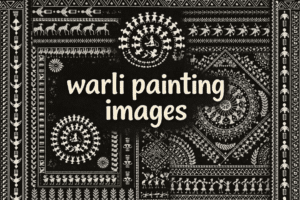
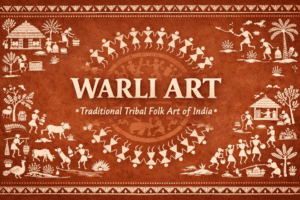
We integrate India rich folk-art traditions into our drawing classes, ensuring children develop a deep cultural connection while honing their skills.
What Is the Best Age to Start Drawing Classes?
The best age to start a Drawing class for kids depends on their developmental readiness. Generally:
- Ages 3-5: Children begin exploring basic shapes and colours. This is the ideal time for playful and exploratory art.
- Ages 6-8: Kids can start structured drawing lessons, focusing on techniques and themes.
- Ages 9 and Above: At this stage, children can work on advanced skills, including perspective, shading, and anatomy.
Encouraging your Kids artistic pursuits early on lays the foundation for a lifetime of creativity.
Types of Drawing Classes for Kids
Drawing classes can be customised based on a child’s interest and skill level:
- Beginner Drawing Classes: For young kids learning basic shapes and colouring
- Intermediate Drawing Classes: Focus on form, proportion, and composition
- Advanced Drawing Classes: Perspective, shading, and detailed sketching
- Folk Art–Inspired Drawing Classes: Indian styles like Warli, Madhubani, Gond
- Online Drawing Classes: Flexible learning from home
How to Start a Drawing Class for Kids
Starting a drawing class does not have to be complicated. Here are a few practical steps:
- Set Up a Creative Space: Ensure your child has access to basic tools like pencils, crayons, erasers, and paper.
- Enroll in a Reputable Class: Look for classes like those offered by Rajni Dutta Art, which focus on structured yet fun learning.
- Incorporate Technology: Leverage online tutorials or apps to complement in-person classes.
- Encourage Regular Practice: Consistency is key to mastering drawing skills.
- Expose Kids to Inspiration: Take them to art galleries, museums, or even nature to spark creativity.
What Are the Benefits of Drawing Classes for Kids?
- Structured Learning: Guided lessons help kids learn techniques like shading, proportion, and perspective.
- Cultural Awareness: Classes like those at Rajni Dutta Art introduce children to diverse artistic styles and traditions.
- Social Interaction: Kids meet peers with similar interests, fostering friendships and collaboration.
- Emotional Well-Being: Engaging in art reduces stress and builds resilience.
- Skill Development: From sketching to colouring, children master foundational skills that extend beyond art.
Why Parents Trust Rajni Dutta Art for Drawing Classes
Parents choose Rajni Dutta Art because of its unique blend of creativity and cultural learning:
- Experienced Art Educators
- Child-Friendly Teaching Approach
- Integration of Indian Folk Art
- Focus on Skill + Expression
- Supportive & Encouraging Environment
Our drawing classes for kids focus on nurturing creativity while preserving Indian art traditions.
Importance of Art in Education for Children
Art plays a pivotal role in holistic development. It complements academic subjects by:
- Encouraging creative problem-solving.
- Enhancing memory through visual learning.
- Fostering an inclusive environment where every child feels valued.
We emphasize the integration of traditional folk art into modern education, offering children a unique perspective on art’s relevance in the real world.
Practical Tips for Parents
- Provide the Right Tools: Invest in age-appropriate art supplies.
- Celebrate Their Progress: Display their artwork at home to boost confidence.
- Be Patient: Allow children to explore and make mistakes as they learn.
- Incorporate Art into Daily Life: Encourage doodling during free time.
- Stay Involved: Participate in art activities with your child to strengthen your bond.
Children can start drawing classes as early as 3 years, with structured lessons recommended from age 6 onwards.
Attending 1–2 classes per week is ideal for skill development without pressure.
Yes, drawing improves focus, observation, memory, and creative thinking, which supports academic learning.
Yes, online drawing classes are effective when guided by experienced instructors and supported with regular practice.
Basic supplies include pencils, erasers, drawing paper, crayons, and colours.
Final Thoughts
Enrolling your child in a drawing class for kids opens up a world of possibilities. From boosting creativity to fostering cultural appreciation, art has the power to shape young minds in profound ways. At Rajni Dutta Art, we are committed to nurturing this potential through a blend of traditional and modern techniques. Help your child discover the joy of art-because every masterpiece begins with a single stroke. “Rajni Dutta Art” celebrates India folk traditions, blending them with contemporary aesthetics. Through our drawing classes for kids, we aim to preserve the rich cultural heritage of India while inspiring the next generation of artists.